
How to Engage Employees in Your Sustainability Goals
How to Engage Employees in Your Sustainability Goals
May 2026
Employee engagement is fundamental to the success of your sustainability efforts. It’s not enough to define your organisation’s Environmental, Social and Governance (ESG) goals; your employees need to understand, contribute to and champion them. It’s only when people feel connected to your sustainability goals that ESG goes from being a tick‑box exercise for organisations to part of your everyday culture.
WHY YOUR WORKFORCE MATTERS WHEN IT COMES TO ESG
Workplace engagement is a challenge for many organisations. According to the 2026 Gallup State of the Global Workplace report, only 10% of UK employees are engaged at work; well below the global average. Employee engagement measures the psychological attachment workers have to their work, their team and their employer (Gallup, 2024). Engaging your teams with your company’s ESG agenda could help close this gap, creating a sense of shared purpose as well as improving culture and ensuring your organisation’s values are clear to everyone in the company.
To make sustainability meaningful, companies must involve their people every day. However, a recent survey by Opinium found that only 52% of UK workers believe their employer’s ESG commitments match their actions, with junior employees and manual workers less likely than senior managers to feel their organisation was delivering on its promises (People Management, 2025).
These stats highlight the importance of not only communicating ESG commitments with employees but also delivering on those goals. Without this, organisations risk losing employee trust in their stated values. At the same time, this presents a major opportunity to strengthen organisational culture and inclusion, as employees who feel involved are more likely to stay with the company, help solve problems, and champion sustainability initiatives (PwC, 2024), as well as contributing more in their role.
WAYS TO EMBED ESG INTO YOUR COMPANY CULTURE
It’s not enough to ‘talk the talk’, embedding sustainability across your organisation means making ESG part of how your employees think and act.
How can you do this?
1. Clearly communicate and share your sustainability vision
Ensure your team understands what ESG means, what it means specifically for your business and why it matters. Research shows that while 83% of employees want to act on climate change in their jobs, only 34% feel confident explaining what their organisation’s climate commitments are (Institute of Sustainability Studies, 2025).
As well as communicating your sustainability approach to employees, think about how you can show them what you are doing too.
ESGmark® Member case study: Square Mile Farms
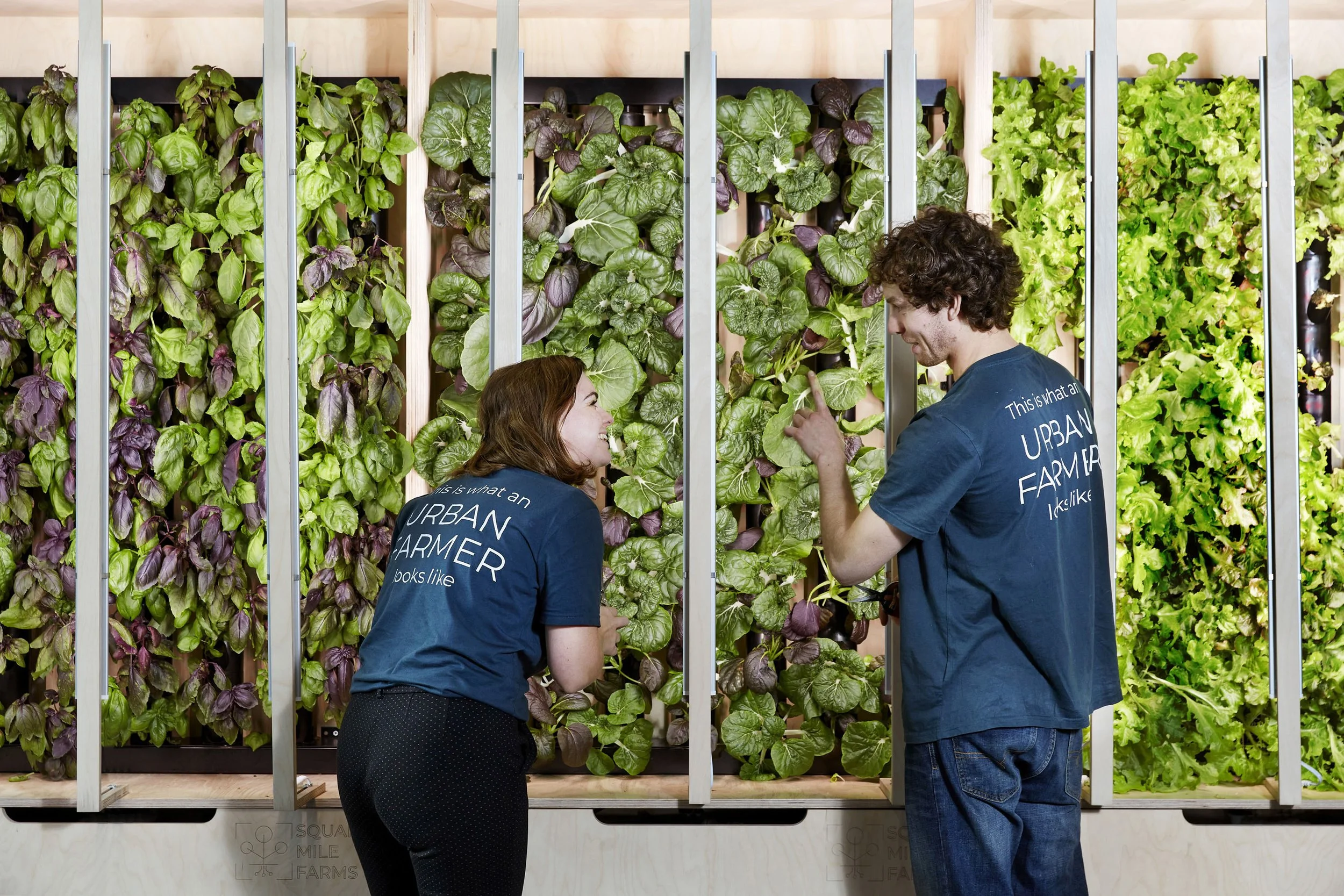
Square Mile Farms provides experiential vertical farming systems to their clients, helping people and businesses to be healthier and more sustainable. Their office farms are a fantastic way for organisations to put sustainability into action in the workplace, while engaging employees in a fun and practical way.
“Often sustainability initiatives are hidden within an organisation and difficult to showcase. Our Office Farms on the other hand are a tangible way of displaying a firm's sustainability goals, providing teams with a visible reminder of the organisation's values and inspiring them to think in a sustainable way.” - Hamish Grant, Chief Growth Officer, Square Mile Farms

2. Educate and build capability
Host informal lunchtime chats, workshops, or short training sessions on topics like energy efficiency, waste reduction, social impact, and governance. Provide your employees with the knowledge they need to take meaningful action. At ESGmark®, we often support our community members in delivering interactive lunch and learn sessions, aimed at helping employees understand the important role they play in an organisation’s sustainability journey.
3. Create employee-led networks and committees
Volunteer groups or ESG committees give staff agency to bring their diverse perspectives into decision-making, take the lead with initiatives, and demonstrate how to translate policy into practice with their peers.
ESGmark® Member case study: Alexander Knight & Co.
After achieving ESGmark® Certification in 2022, Alexander Knight established an internal ESG working group to encourage wider team involvement and drive continued progress across the organisation. Meeting quarterly, the group has helped embed ESG into day-to-day business activities and company culture by:
Increasing ESG awareness and engagement across the wider team, leading to new ideas and initiatives
Shaping ESG efforts, such as charitable support, recycling and waste reduction
Creating volunteering opportunities, including becoming guardians of their local village train station in Hale
Inspiring employees to adopt sustainable habits outside of work
Attracting involvement from graduate trainees, highlighting ESG’s importance to the next generation
Reinforcing ESG as an ongoing business priority across the business
“Setting up a small internal ESG group has brought fresh ideas, wider perspectives, and real momentum—showing us that even small, collective actions can make a meaningful difference.” - Alison Spier, Head of Human Resources, Alexander Knight


4. Run initiatives
Engage teams with practical activities like energy-saving challenges and volunteering days. Hands-on participation helps embed ESG into day-to-day routines.
ESGmark® Member case study: Sustain Insurance Brokers
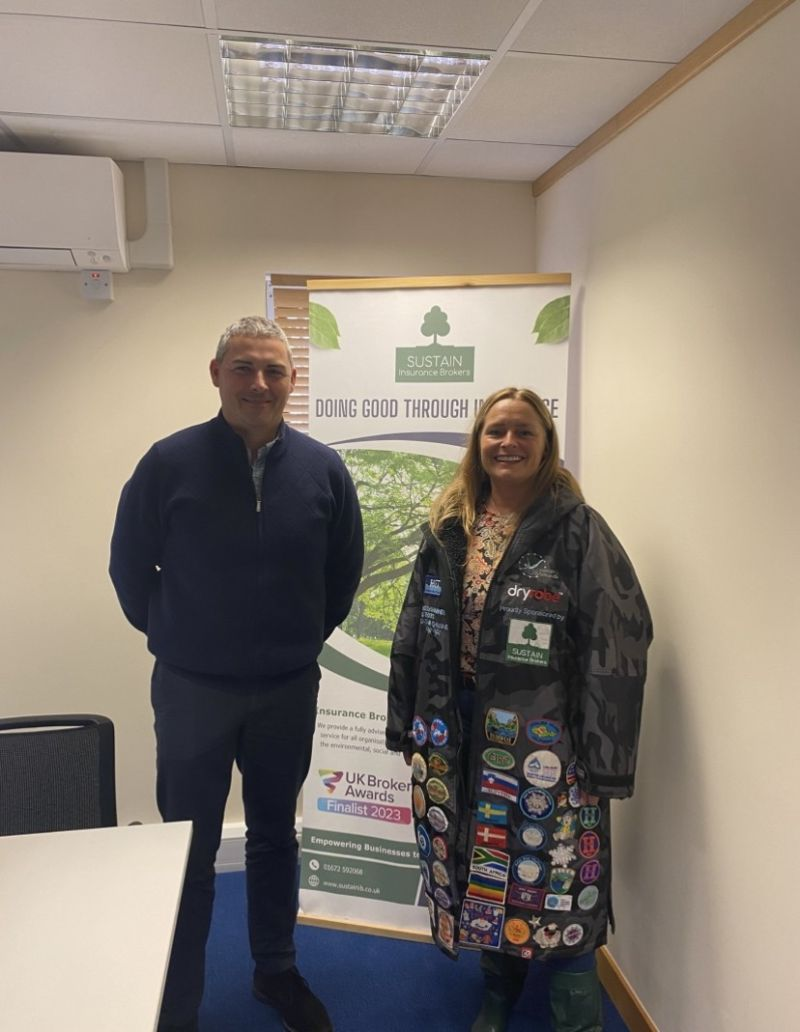
Sustain Insurance Brokers actively embeds its ESG agenda into employee engagement through charitable fundraising, community participation, and everyday sustainability initiatives that encourage both leadership involvement and grassroots action. Examples include:
Staff taking part in the Cancer Research UK Big Hike 2025, a half marathon walk in the Cotswolds that promoted community engagement and shared purpose
Jonathan Evans, founder of Sustain, raising £12,000 for charity at the African Revival Annual Charity Ball, demonstrating leadership commitment to social impact
A weeklong environmental office challenge encouraging sustainable behaviours such as waste-free lunches, litter picking, second-hand shopping, low-carbon travel, and sustainability-focused learning
Supporting the Kennet Valley Wetland Reserve project, which restores natural habitats and promotes biodiversity by creating wetland areas
Sponsoring Laura Reineke from Friends of the Thames in her attempt to become the seventh British woman to hold the triple crown through swims including the English Channel and Circumnavigation of Manhattan Island, while raising awareness of river and ocean protection
Supporting the BSAVA PetSavers Christmas Appeal by matching employee donations throughout December


5. Encourage feedback and ideas
Use surveys and suggestion boxes to ensure employees have a voice in shaping ESG priorities and feel their input is valued.
6. Link ESG to wellbeing and inclusion
Connect sustainability goals to workplace wellbeing, inclusivity, and social impact. Engagement deepens when employees see not only how ESG benefits their workplace, but themselves.
7. Recognise and celebrate contributions
Highlight those individuals and teams who are actively making a difference. Recognition reinforces positive behaviour and strengthens a culture of sustainability ownership.
EMBEDDING ESG INTO EVERYDAY ACTION
Your ESG agenda will be most effective when staff are brought into the conversation. To start, consider how your employees experience your sustainability agenda. Some initial things to think about are:
Are they aware of your ESG goals?
Do they understand them?
Do they feel able to articulate and share them?
Are they taking ownership of their part in making a difference to them?
Are they recognised for the actions they do make?
Depending on where you are on your sustainability journey, it might sound a lot, but it's worth taking the time and effort to get it right. Moving engagement from awareness to active participation helps turn sustainability from strategy into the kind of culture that drives internal buy-in, employee retention and long‑term commercial success.
Sources
Gallup (2026) State of the global workplace: United Kingdom country‑level data. Available at: https://www.gallup.com/workplace/707546/state-global-workplace-united-kingdom-country-level-data.aspx
Gallup (2024) How to improve employee engagement in the workplace. Available at: https://www.gallup.com/workplace/285674/improve-employee-engagement-workplace.aspx
People Management (2025) Only half of workers say employer’s ESG commitments match actions, survey shows. Available at: https://www.peoplemanagement.co.uk/article/1903061/half-workers-say-employers-esg-commitments-match-actions-survey-shows
Institute of Sustainability Studies (2025) Embedding sustainability in organisational culture for impact. Available at: https://instituteofsustainabilitystudies.com/insights/guides/embedding-sustainability-in-organisational-culture-for-impact/
PwC (2024). ESG under the spotlight, yet absent from employee priorities. [online] PwC. Available at: https://www.pwc.com/m1/en/publications/esg-under-the-spotlight-yet-absent-from-employee-priorities.html.