
SDGs in 2026: where we are, and what’s next
SDGs in 2026: where we are, and what’s next
At ESGmark®, we know that small and medium-sized enterprises (SMEs) are under increasing pressure to demonstrate their environmental, social, and governance (ESG) commitments. It’s no longer enough to simply say your business cares; customers, investors, and partners want to see credible action that builds trust, shows impact, and supports long-term commercial success.
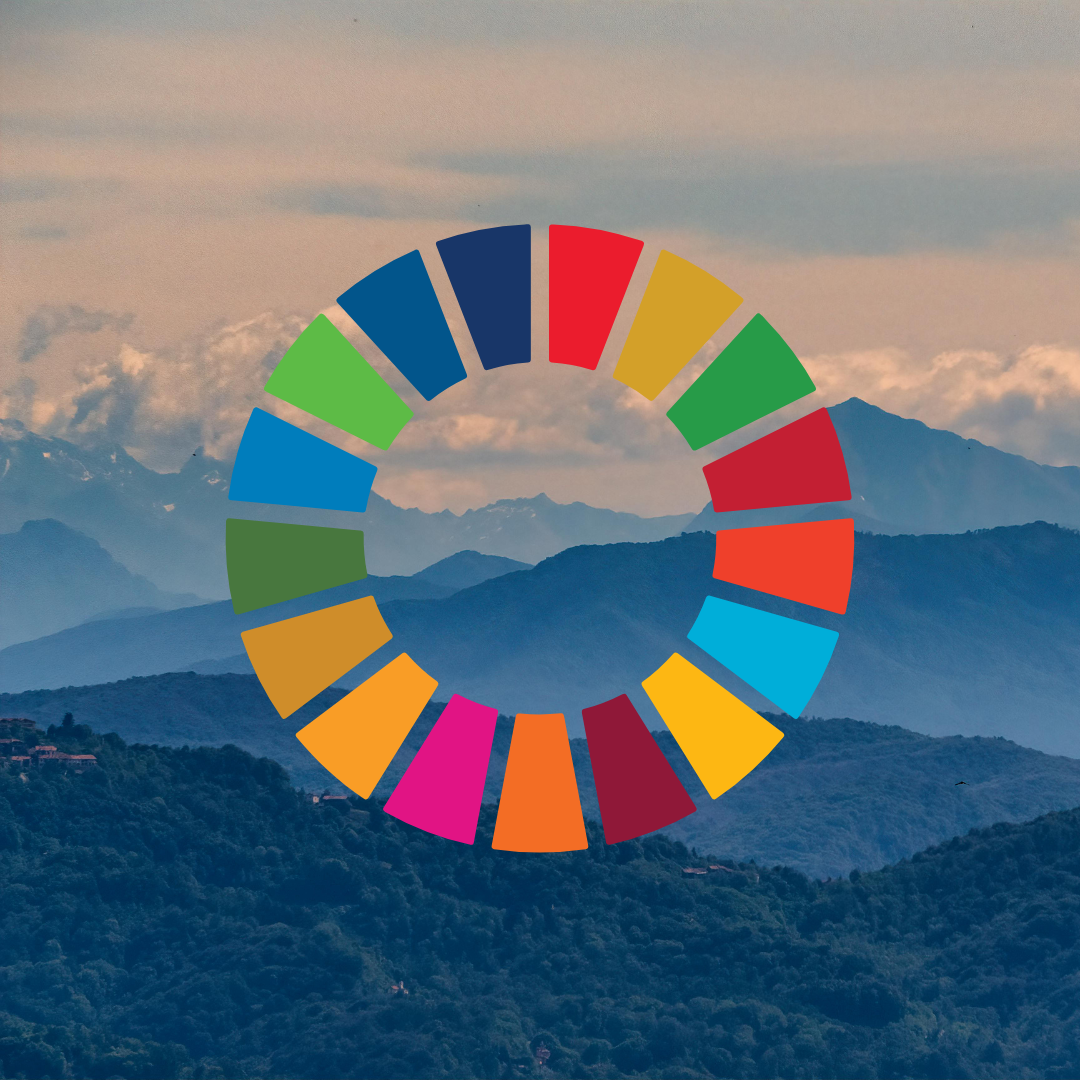
Covering everything from poverty and inequality to climate change and protecting nature, the United Nations’ Sustainable Development Goals (SDGs) provide businesses with a clear framework to make a measurable difference.
The SDGs are made up of 17 goals, underpinned by a total of 169 targets (United Nations, 2015a). With so much to consider, translating the SDGs into practical, manageable steps can feel overwhelming. But taking the time to understand where you are now and what comes next can help you to turn your sustainability goals into a clear, achievable strategy.
PROGRESS TO DATE
The SDGs were adopted by the United Nations Member States in 2015 as part of the 2030 Agenda for Sustainable Development. The goals and actions outlined offered a blueprint for global shared efforts toward the prosperity of people and planet. The vision, to be achieved by 2030, was “to end poverty and hunger everywhere; to combat inequalities within and among countries; to build peaceful, just and inclusive societies; to protect human rights and promote gender equality and the empowerment of women and girls; and to ensure the lasting protection of the planet and its natural resources” (United Nations, 2015b).
Over the last ten years, progress towards achieving the SDGs has been driven by policy development, corporate initiatives, and community-led action. This has seen businesses improve their supply chains, governments introduce new regulations and increasing expectations around transparency.
However, despite this, we’re still a long way from where we need to be. According to the UN, only a third (35%) of SDG targets are on track or making moderate progress, while nearly half are falling short, and 18% taking backwards steps (United Nations, 2025). Similarly, while some countries are making advances in areas such as poverty reduction and renewable energy, overall global progress at the pace needed to meet the 2030 target is being obstructed by conflict, climate chaos, geopolitical tensions and economic shocks (SDSN, 2025).
LOOKING BEYOND 2030
However, while it can be easy to get caught up in how we’re falling short, it’s worth remembering that the SDGs were always intended to be a milestone, not an endpoint. After 2030, the Sustainable Development Goals (SDGs) will be reassessed and updated, and some targets will likely be revised to make them more realistic and motivating. The updated goals could also be linked more closely with newer global agreements, such as the Paris Climate Agreement and the Global Biodiversity Framework (AFD, 2025). While the process of defining SDG progression post-2030 will officially begin at the meeting of the High-Level Political Forum for Sustainable Development (HLPF) in September 2027, we can expect reports and dialogue on the topic to begin before then (IISD, 2025).
That said, whatever the specific agenda, it’s fair to say that sustainability will become increasingly embedded in how organisations are assessed, funded, and trusted and making changes now will make future adaptations more manageable, placing organisations in a better position to respond proactively to evolving expectations.
LINKING THE SDGS TO YOUR BUSINESS
Aligning with the SDGs in the real world often begins with recognising what is most relevant to your organisation, and what you are already doing towards them. This means rather than attempting to address all 17 goals, focus on those areas where you’re already making strides and will have the most impact.
The SDGs fall into four key areas:
People
This includes fighting poverty and hunger, promoting health, education, gender equality, and reducing inequalities – basically, improving lives. Actions you could take here could include offering flexible work schedules, recruiting from underrepresented groups, or partnering with local charities to create opportunities.Operations
This involves making your business more sustainable. Think clean water, clean energy, responsible consumption, and climate action. You could look to reduce your packaging, switch to renewable energy, or track emissions in your supply chain.Growth
Look to drive sustainable economic and industry development. Train your team in sustainability practices, adopt eco-friendly processes, or work with local suppliers to strengthen green practices.Communities & Environment
Support your surroundings and the planet. Protect ecosystems, promote strong institutions, and build partnerships. How to do this in real practice? Look at tree planting, cutting single-use plastics, community education projects, or collaborating with other organisations to increase impact.
Rather than trying to do everything at once (there’s a lot to consider here!) a better, and more sustainable, approach is to think about how your organisation can practically implement manageable actions - and then communicate your progress. Remember, even small steps can deliver meaningful change over time.
BENEFITS FOR SMES
As 2030 edges closer, aligning with the SDGs now can also have benefits for your bottom line, helping to lower your outgoings through improved efficiency, strengthen your reputation and trust with stakeholders, improve risk management, and enhance access to funding and new opportunities.
For example, tracking energy usage to reduce costs, sourcing materials responsibly, or supporting local community programmes can all contribute to SDGs while also benefiting your business. Over time, these actions will build credibility and demonstrate tangible impact to customers, investors, and partners.
Start small, start on your area of expertise, and start to turn your good intentions into meaningful outcomes. In short – just start.
ABOUT ESGMARK®
At ESGmark® we help organisations to credibly demonstrate and improve their Environmental, Social and Governance (ESG) credentials. We do this through ESGmark® Certification, carbon footprint measurement, and sustainability support. Speak to our friendly team to get started today by contacting us.
Sources
Agence Française de Développement (AFD) (2025) The Sustainable Development Goals are 10 years old: what global framework will take their place after 2030? Available at: https://www.afd.fr/en/news/sustainable-development-goals-are-10-years-old-what-global-framework-will-take-their-place
International Institute for Sustainable Development (IISD) (2025). Building Momentum Towards 2030 and Beyond. [online] SDG Knowledge Hub. Available at: https://sdg.iisd.org/commentary/policy-briefs/building-momentum-towards-2030-and-beyond/.
Sustainable Development Solutions Network (SDSN) (2025) SDG Report 2025: Global progress towards the Sustainable Development Goals. Paris: SDSN. Available at: https://www.unsdsn.org/resources/publications/sdg-report-2025
United Nations (2015a). The 17 sustainable development goals. [online] United Nations. Available at: https://sdgs.un.org/goals.
United Nations (2015b). Transforming our world: The 2030 Agenda for Sustainable Development. [online] United Nations. Available at: https://sdgs.un.org/2030agenda.
United Nations (2025) The Sustainable Development Goals Report 2025. New York: United Nations. Available at: https://unstats.un.org/sdgs/report/2025/